
Work Absence: What the 2026 Data Actually Says About Disability in Canada
Work absence has stopped growing. Disability prevalence hasn’t. For anyone managing claims, that gap is the story of the decade. If you manage disability claims

Work absence has stopped growing. Disability prevalence hasn’t. For anyone managing claims, that gap is the story of the decade. If you manage disability claims

A Bloomberg Businessweek story making the rounds this month—Taylor Nicole Rogers’s “More Workers Take Mental Health Leave, and Bosses Aren’t Happy”—has touched a nerve across corporate

Ontario’s accident benefits overhaul isn’t just a coverage change—it’s a workflow change for plaintiff counsel. Here’s how to protect your clients from the very first

Workplace accommodation is both a legal imperative and a strategic advantage for federally regulated employers in Canada. Under the Canadian Human Rights Act (CHRA), organizations

When an employee tells us they “can’t work,” the decision is rarely binary. The right response is a process. One that protects employee privacy, keeps

Last updated: August 2026 | For claims professionals, TPAs, and defence counsel Ontario Regulation 383/24 took effect on July 1, 2026, amending the Statutory Accident

In a significant move to address persistent employment barriers faced by youth with disabilities, the federal government has committed $4.44 million to a groundbreaking 38-month

Independent Medical Examinations (IMEs) play an important role in decisions about disability claims, workplace accommodations, and legal cases. They carry weight because they involve sensitive

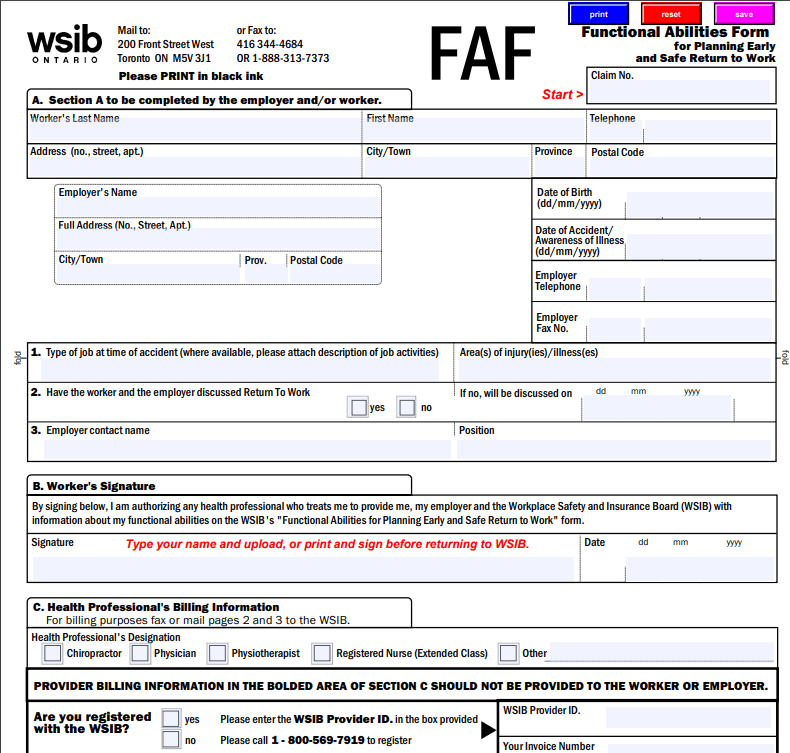
In Canada, no two provinces treat functional abilities assessments the same way. For anyone involved in claims—whether employer, legal counsel, or insurer—this matters. Because if

Alberta’s auto insurance market is experiencing a severe availability crisis that threatens the fundamental principle of accessible coverage for all drivers. This comprehensive analysis reveals